equity, diversity, inclusion & indigeneity
EDII
Context and Commitment
Indigenous individuals, radicalized and sexual minorities, and people with physical disabilities are underrepresented as faculty and trainees in the field of nutrition and exercise physiology. This has resulted in a lack of cultural competence reducing research translatability that could negatively affect patient outcomes. Individuals from equity-deserving groups encounter several systemic barriers of entry to this field, including implicit bias during the hiring process as well as disparities in funding and mentorship opportunities. We integrate EDII practices in our research and use universal design to guide the structure of our built environment so that our laboratory is a safe, accessible, and inclusive space for all.
Representation & hiring
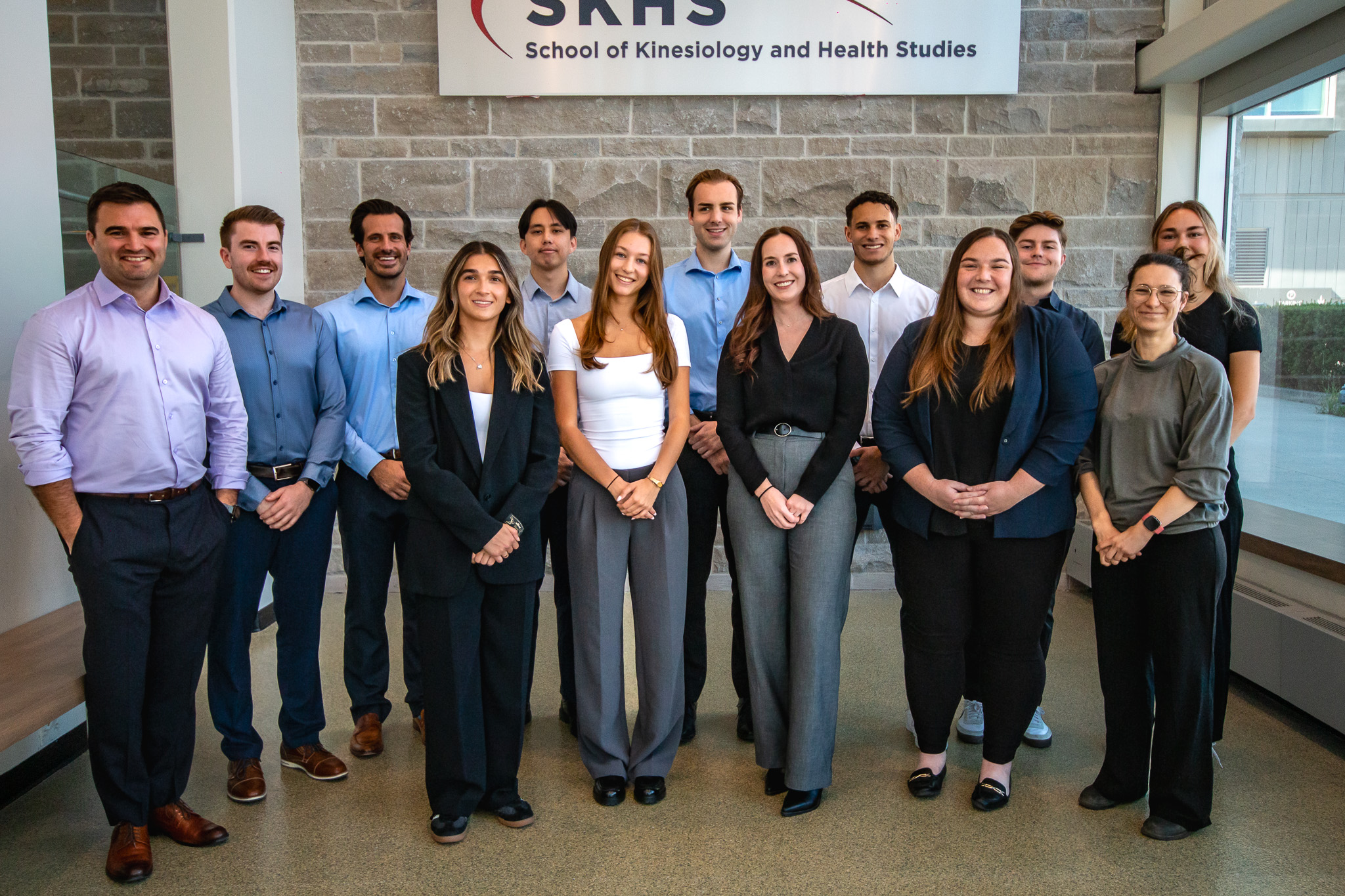
Inclusive Recruitment & Team Composition
We recruit a diverse pool of candidates by developing inclusive job postings that are widely and publicly available for a minimum of 30 days, including language that specifically encourages applications from equity-deserving groups. All research team members involved in the hiring process complete inclusive recruitment and unconscious bias training through the Queen's Human Rights and Equity Office, with an EDII Research Advisor available to offer feedback. Team members draw upon knowledge gained from connections with on-campus partners such as the Queen's University Four Directions Indigenous Student Centre, Queen's Black Academic Society, and Queen's Accessibility Hub. To mitigate financial pressure and provide barrier-free access to experiential learning opportunities, we work with NSERC to provide summer student scholarships and research positions specifically for Black and Indigenous students. This award responds to the persistent underrepresentation of Black and Indigenous people in kinesiology and exercise science described above. A paid research position means students do not have to choose between summer employment and the research experience that supports entry into graduate training. NSERC USRA
Training & Development
Barrier-Free Training & Professional Development
Principle 01
Barrier-Free Training
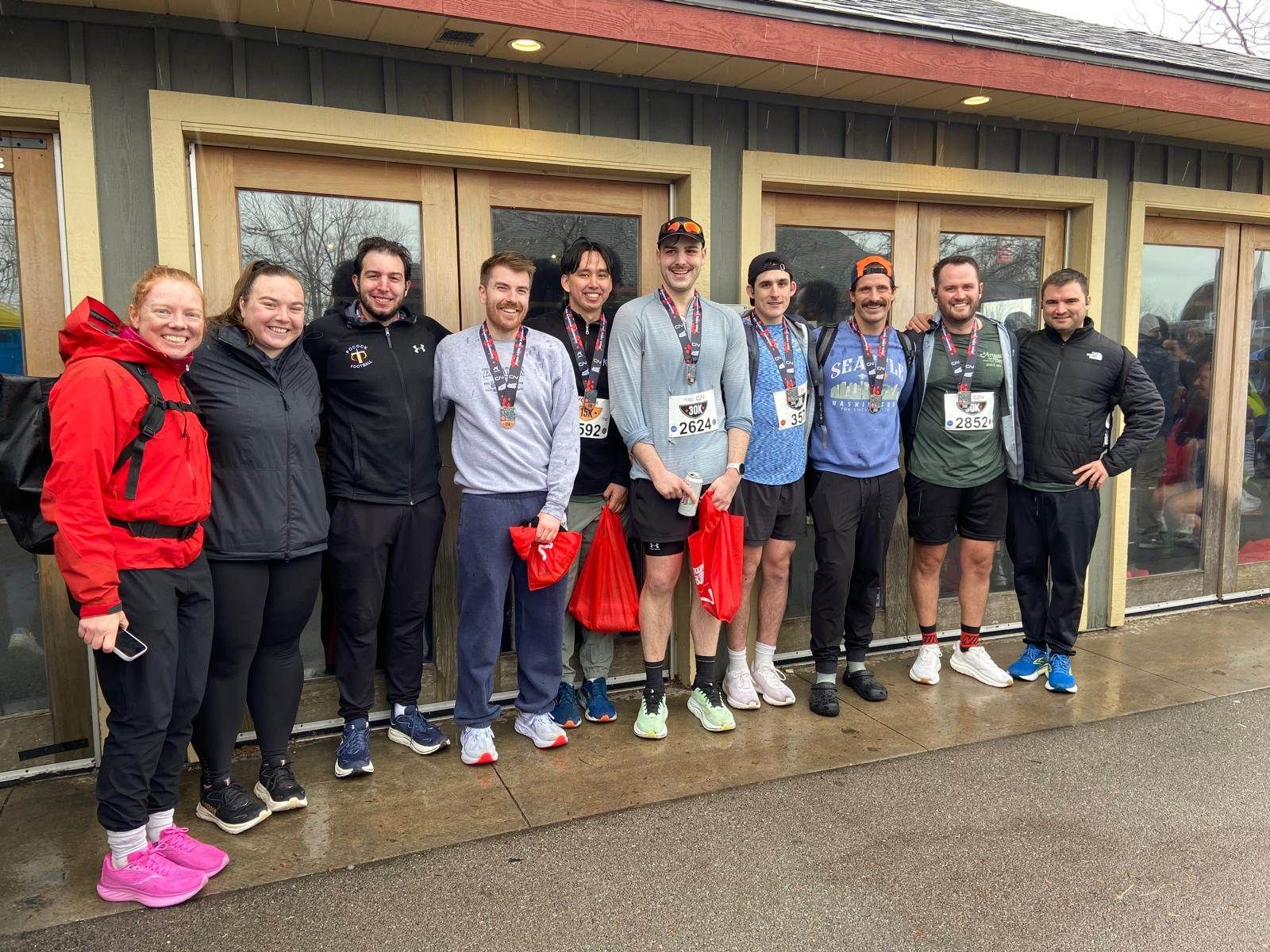
Trainees can face barriers to participating in conferences, workshops, and other professional development opportunities, including travel and registration costs, caregiving responsibilities, accessibility or accommodation needs, and scheduling conflicts. We take the following steps to reduce or remove these barriers. Trainees meet monthly with postdoctoral fellows to develop conference funding applications, attend workshops such as the “Writing Essentials” workshop at Queen's University to improve their writing skills, and work collectively with Dr. McGlory to locate funding for specialist training.
Principle 02
Dissemination & Funding Support
Dr. McGlory accounts for the cost of trainee conference travel in grant applications when possible, and we budget for a contingency fund for trainees in the event we are unsuccessful in funding competitions. To provide research dissemination and promotion opportunities, trainees prepare community lectures, share research at departmental research days, and generate knowledge translation social media posts shared by community partners such as Kingston Gets Active, a not-for-profit community coalition that promotes free and low-cost physical activity opportunities for people of all ages and abilities across Kingston, Frontenac, Lennox and Addington.
environment & accessibility
Inclusive Environment & Intersectional Research
01 / Inclusive Research
Inclusive Curriculum & Outreach
Our research team recognizes the importance of a more inclusive curriculum and adopting an intersectionality-based lens to combat blanket recommendations regarding nutrient requirements, particularly given the impact of cultural aspects and lifestyle factors on diet and metabolic health. To make the training experience itself more inclusive, trainees take part in journal club discussions on culture, physical activity, nutrition, and health equity, and are encouraged to apply sex- and gender-based analysis plus (SGBA Plus) when designing their own studies. We showcase research focusing on the experiences of members of equity-deserving groups at laboratory meetings and knowledge mobilization events, and we budget for honoraria to mitigate expenses for visiting scholars and practitioner guest speakers.
02 / Community
Community Initiatives
Newcomers to Canada are less likely to take part in organized sport and often face barriers to physical activity, including cost, transportation, language, and unfamiliarity with local programs. Our trainees voluntarily participate in EDII initiatives with community groups such as Immigrant Services Kingston and Area (ISKA) and KEYS Employment and Newcomer Services, which serve immigrant and newcomer communities. Through these partnerships, trainees support physical activity and healthy living promotion to newcomer families, learn directly from community members about the cultural, economic, and structural factors that shape physical activity and dietary habits, and bring these insights back to the lab to inform more culturally relevant research questions and knowledge translation materials.
03 / Accessibility
Accessible Infrastructure
To ensure our lab is accessible for individuals with physical disabilities, we undergo accessibility audits and work alongside reviewers to find anti-ableist solutions and incorporate universal design principles in our biochemistry-based laboratory space. Accessibility extends beyond the physical space. We recognize that team members may have sensory, learning, mental health, or chronic health-related accessibility needs, and we support them through measures such as flexible work schedules, hybrid lab meetings, written summaries of meeting discussions, and accessible document formats. Team members can discuss accessibility or accommodation needs confidentially with the PI, who serves as the lab’s designated point of contact and connects trainees with appropriate campus supports such as Queen’s Student Accessibility Services.
Interested in joining our laboratory?
We are always looking for driven, team-first researchers at all levels - from undergraduate students to post-doctoral fellows. Learn more about current opportunities or reach out to our team.