our mission
protecting muscle mass & function
The Nutrition and Metabolism Research Group is part of the School of Kinesiology and Health Studies at Queen's University. Led by Dr. Chris McGlory, our group specializes in in vivo human metabolic research. Our primary fields of interest include skeletal muscle metabolism, disuse atrophy, clinical nutrition, and ageing.
Skeletal muscle is the foundation of human health and resilience. Our research aims to increase our understanding of the precise molecular triggers of muscle loss, enabling us to define more effective nutritional and pharmacological interventions. Ultimately, we strive to combat muscle decline and protect independent mobility for patients recovering from surgery, injury, or illness when exercise is not an option.
Our studies investigate metabolism on a whole-body, tissue, and cellular level, with skeletal muscle as the primary tissue of interest. The use of stable isotope methodology to trace metabolic flux, alongside advanced 3T Dixon MRI for precise anatomical quantification, holds a special focus in our group.
View Our Publications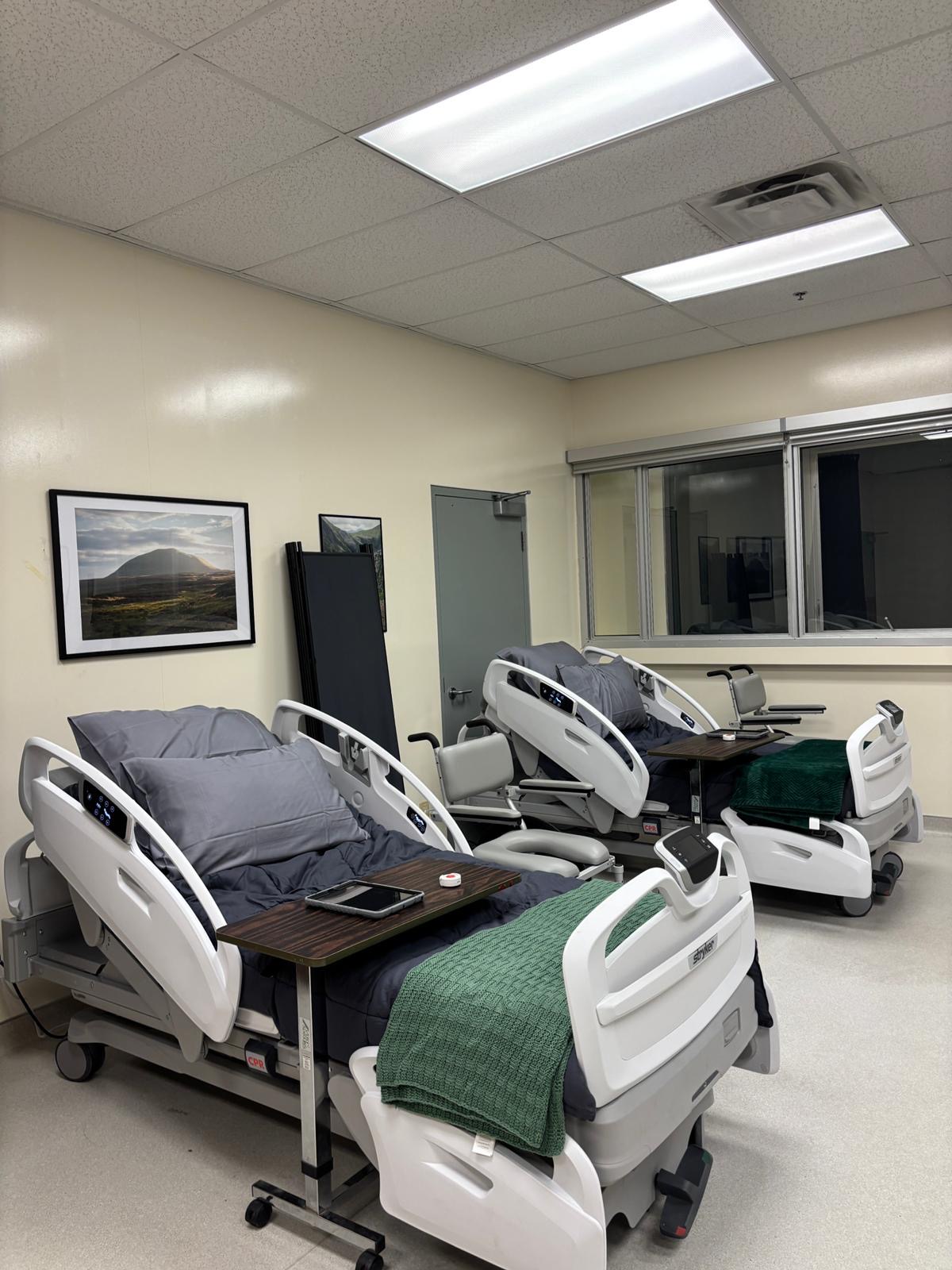
core investigations
Research Themes
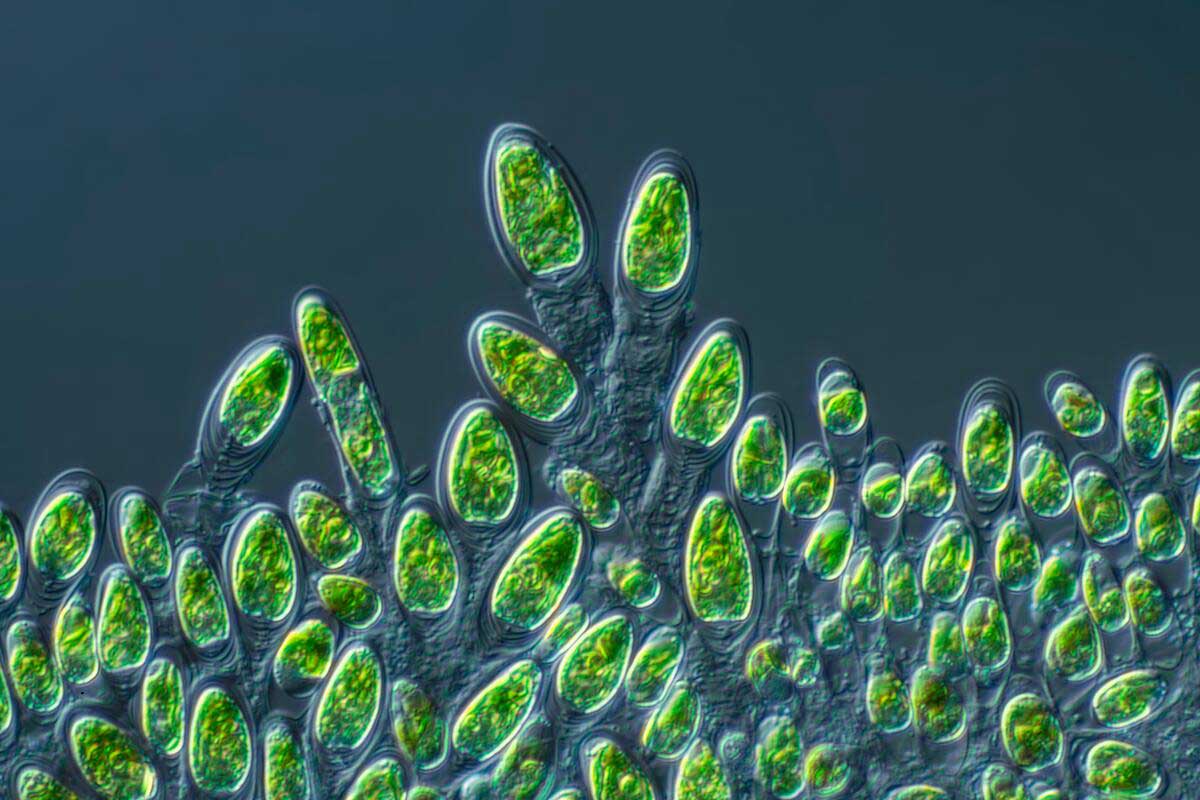
Research in this line aims to elucidate the precise molecular mechanisms that regulate human skeletal muscle size, quality, and function. By combining high-resolution stable isotope methodology with medical imaging and strength assessments, we quantify how skeletal muscle adapts to physiological stress, tracking everything from whole-body structural shifts to real-time amino acid kinetics and protein turnover.
Research within this line quantifies the rapid metabolic degradation caused by physical inactivity and advancing age. Utilizing controlled human bed-rest protocols and immobilization trials, we investigate the cellular triggers responsible for the acute loss of muscle mass following severe physiological insults, such as illness, joint injury, or elective surgery.
In this line, we translate our mechanistic discoveries into targeted therapies. We investigate how specific bioactive compounds such as Omega-3 fatty acids integrate into cellular membranes to sensitize skeletal muscle to anabolic stimuli. Ultimately, our goal is to define dietary strategies that alleviate muscle loss during forced inactivity, protect independent mobility, and accelerate post-injury rehabilitation.
infrastructure
Research Facilities
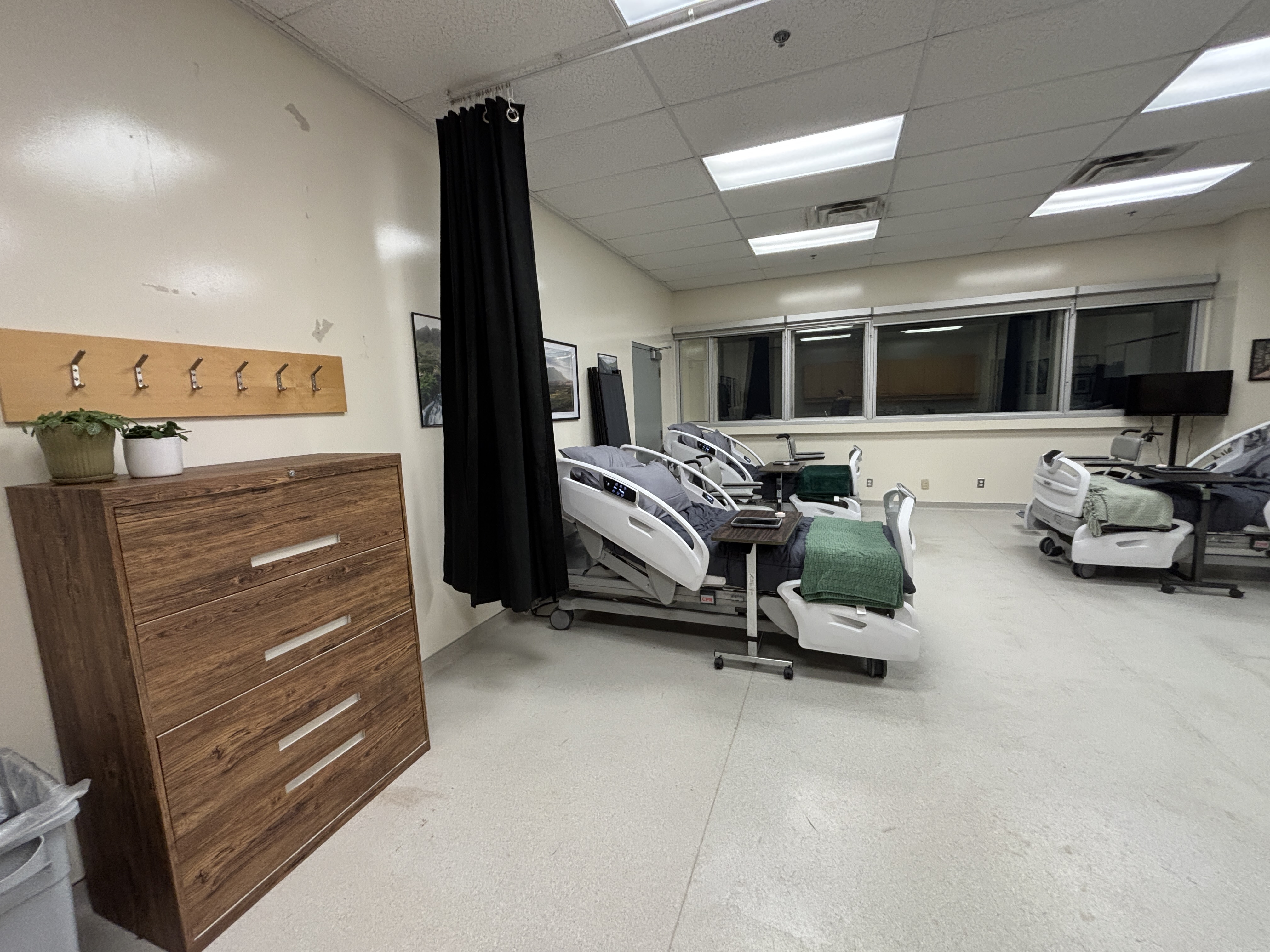
Figure: Bed-Rest Suites
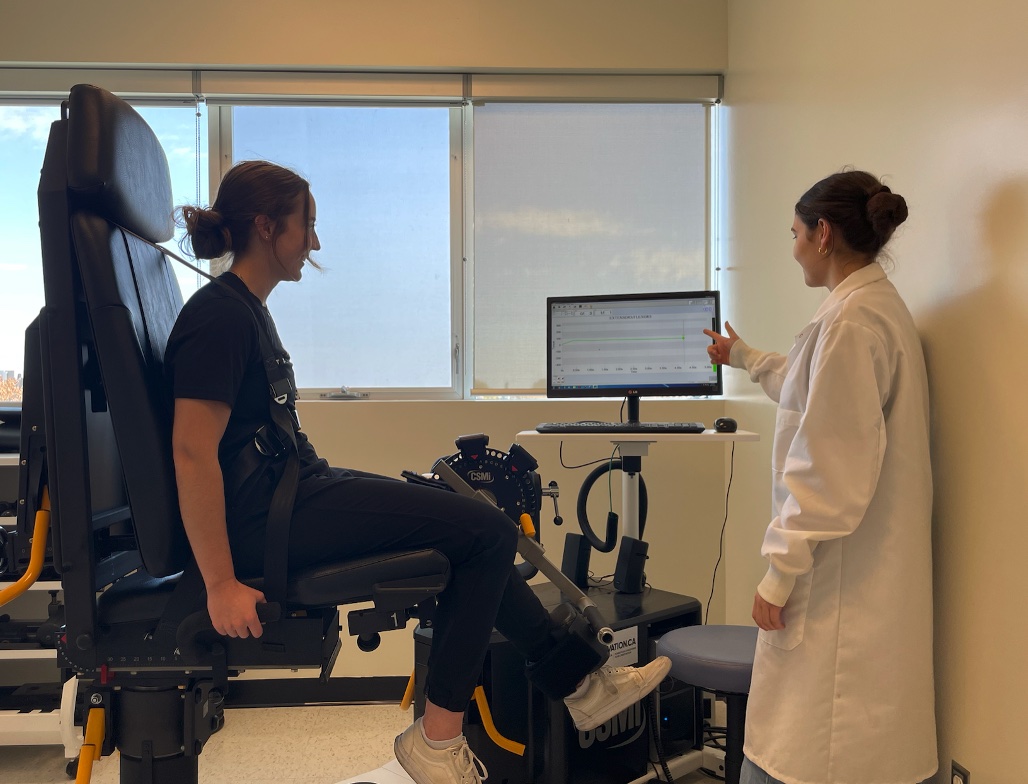
Clinical & Functional Testing
Bed-Rest & Exercise Physiology Suites
Our clinical infrastructure is purpose-built to evaluate human physical performance and physiology. We house dedicated bed-rest suites designed for prolonged immobilization trials, alongside a fully equipped exercise testing facility. Utilizing metabolic carts and isokinetic dynamometers, we precisely assess whole-body energy expenditure and isolated muscle strength in diverse patient cohorts.
Figure: Bed-Rest Suites
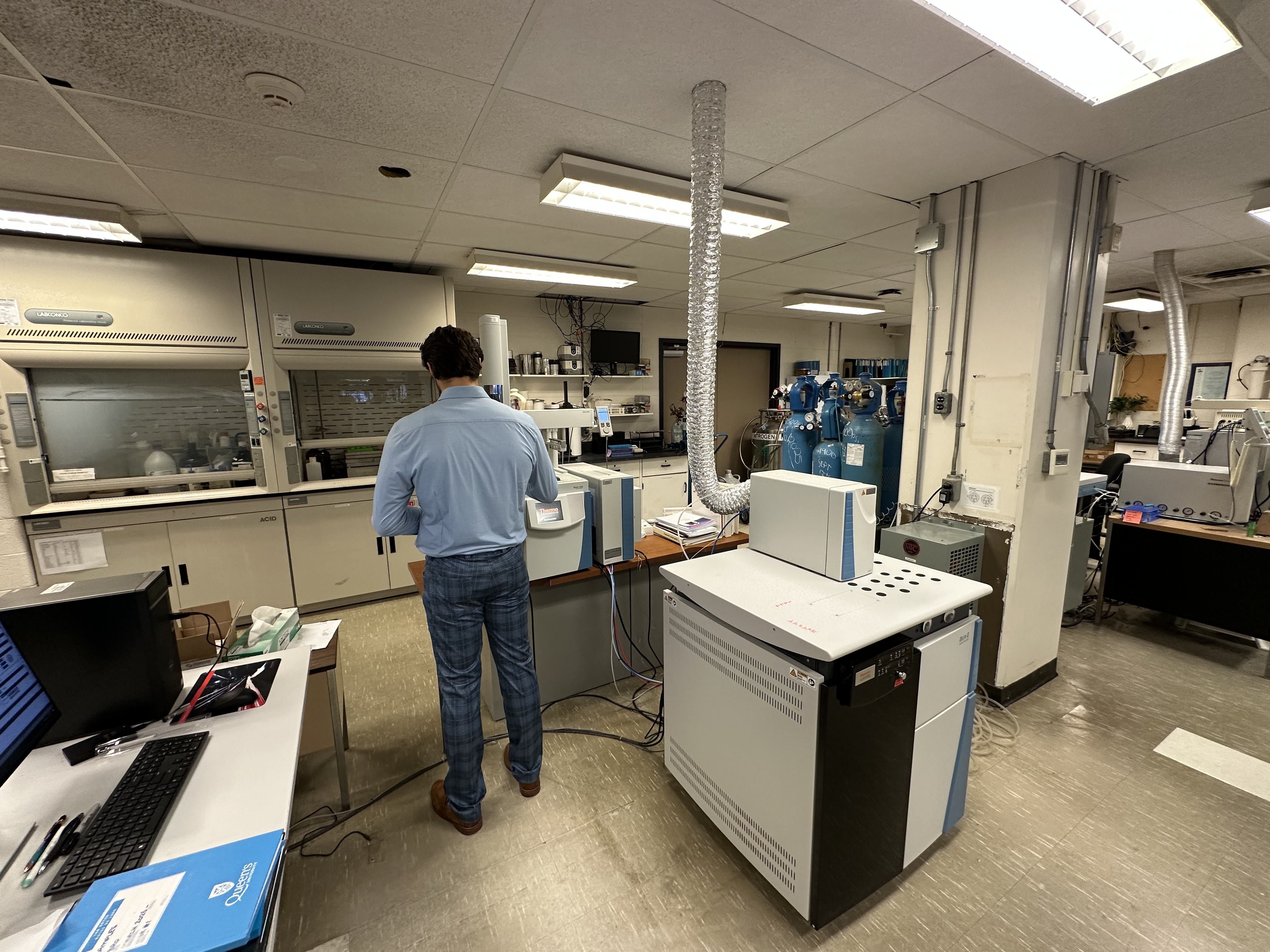
Figure 2.5: IRMS Platform
Mass Spectrometry Platform
High-Resolution Metabolic Tracing
Tracing metabolic flux requires exceptional analytical precision. Our state-of-the-art mass spectrometry facilities are equipped with Gas Chromatography-Mass Spectrometry (GC-MS), Delta Q Isotope Ratio Mass Spectrometers (IRMS), and a L2140-i Picarro Isotope analyzer. This rare in-house capability allows us to deploy advanced stable isotopic tracers to continuously track skeletal muscle protein turnover.
Figure 2.5: IRMS Platform
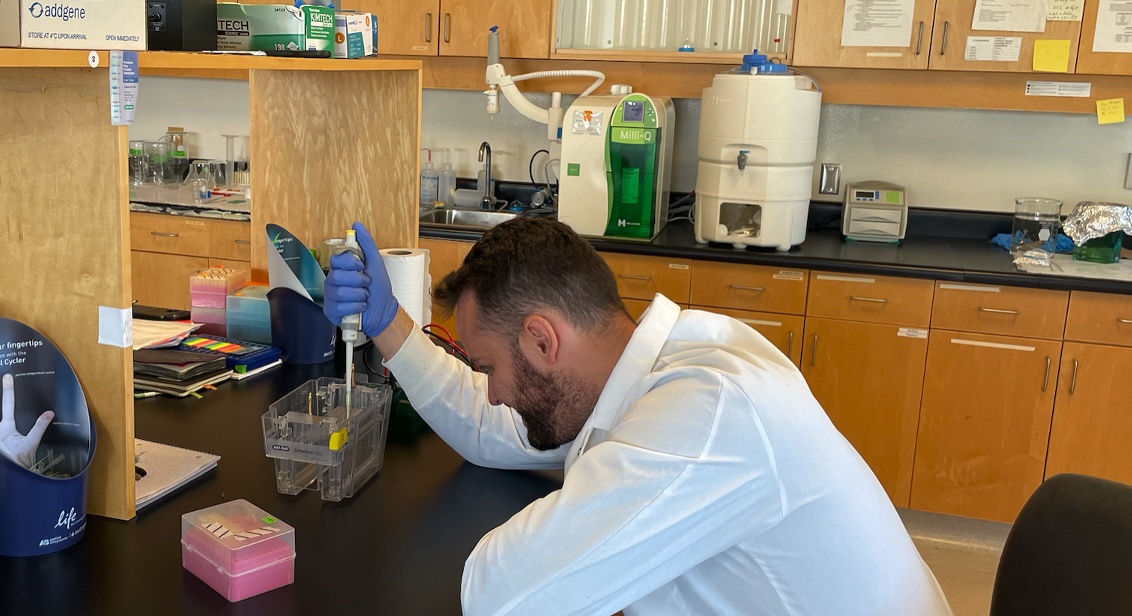
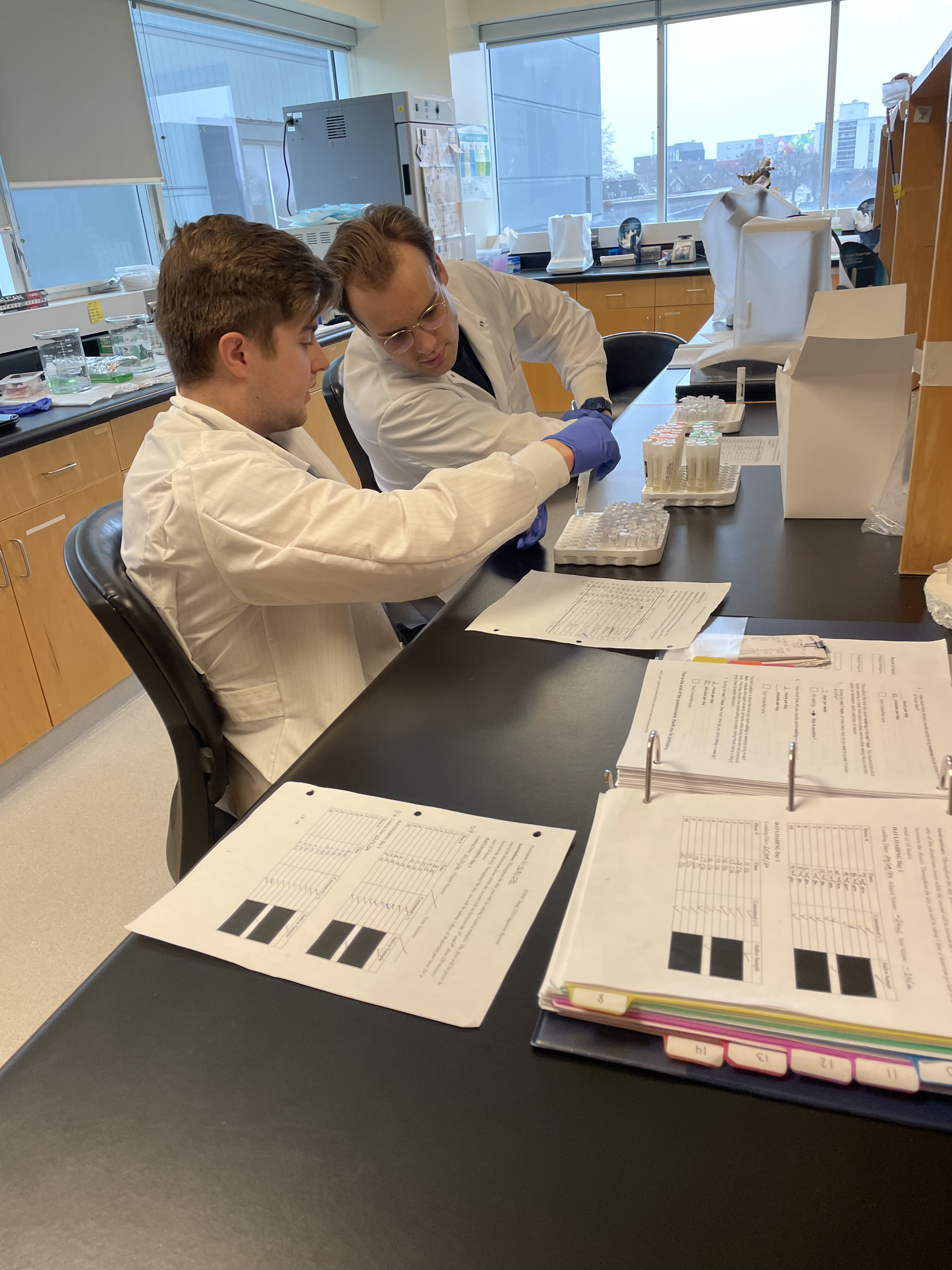
Figure: Molecular Wet Lab
Molecular Wet Lab
Comprehensive Sample Processing
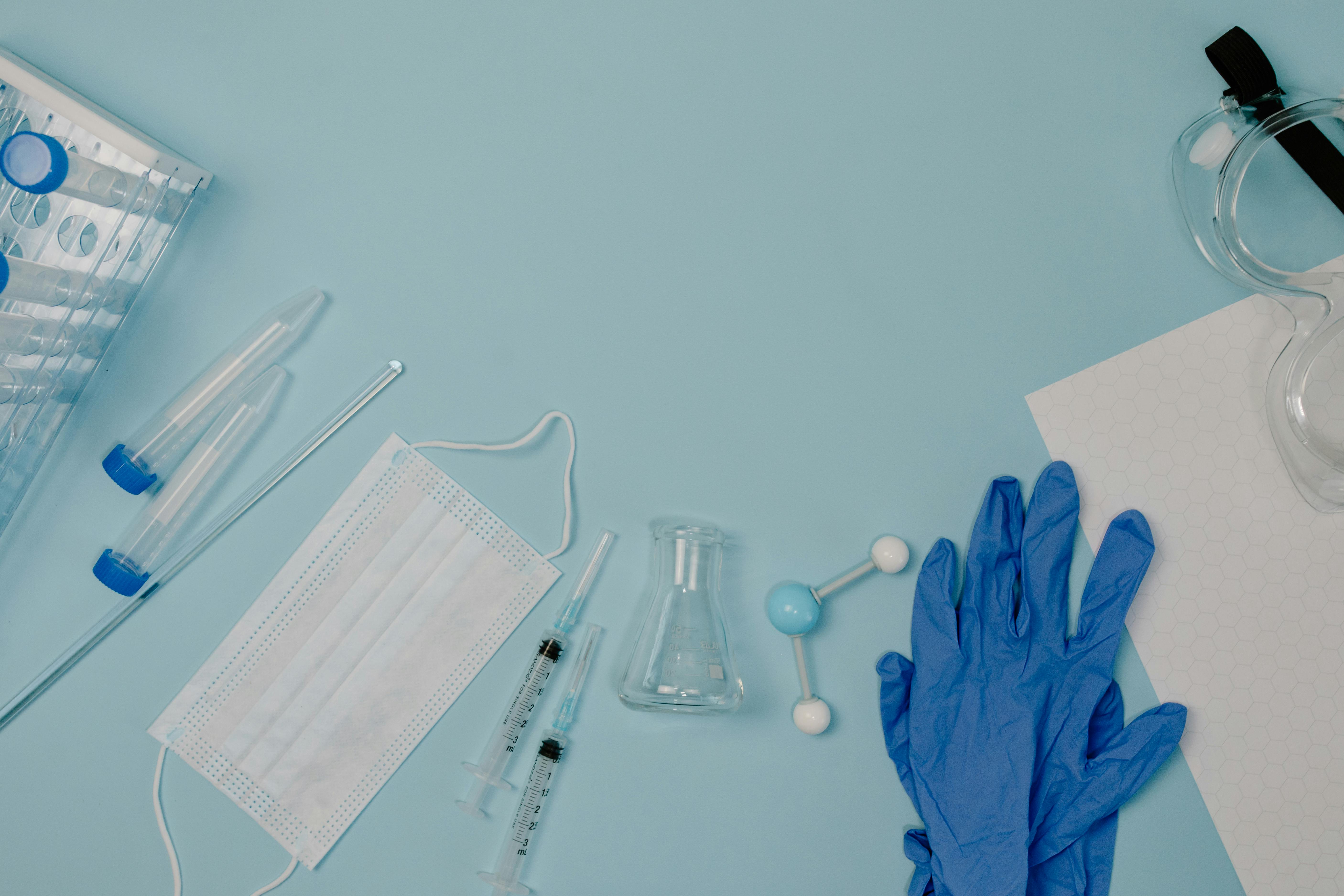
Seamless clinical research relies on immediate, highly controlled sample handling. Our comprehensive wet lab is fully equipped to process human plasma, saliva, and muscle biopsies immediately post-collection. Utilizing comprehensive protocols for muscle and blood amino acid derivatization we ensure maximum sample integrity prior to downstream analysis.
Figure: Molecular Wet Lab
Supported by world-class institutions and funding agencies






recruitment
Work with us
The mechanics of muscle preservation remain a critical challenge in human physiology. We are actively seeking driven students and researchers to help us interrogate these mechanisms within a highly supportive, collaborative environment. We provide the dedicated mentorship, integrated clinical infrastructure, and atomic-level analytics.
Interested in our work?
View Open Positions